Чтобы почувствовать сладость русской жизни не нужно отправляться в долгое путешествие по городам и деревням необъятной страны (it is not necessary to set off for a long journey through cities and villages of our vast country to get a feeling of the sweet Russian life). A short train ride from Moscow to Tula is enough. Along the way, you’ll catch glimpses of small stations, and once in Tula, you may be lucky enough to experience a true “open Russian table.”
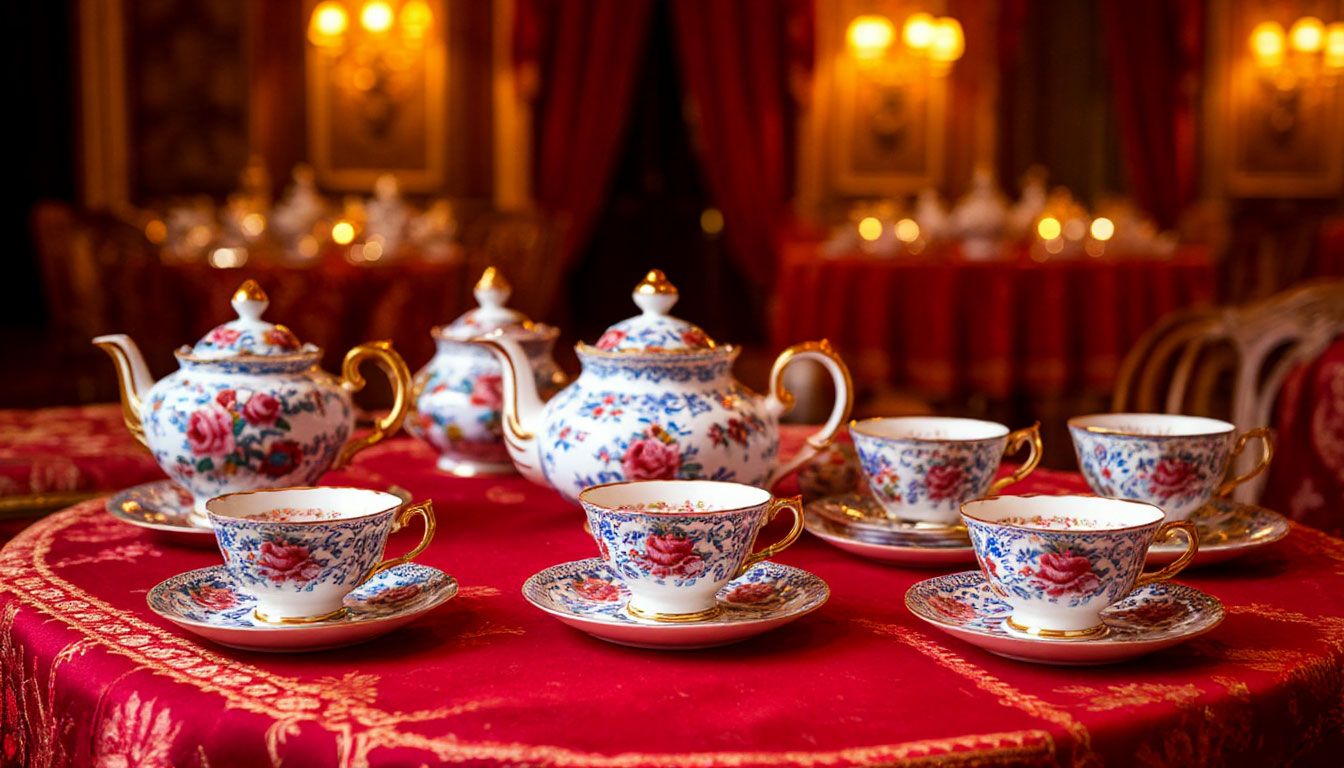
The tea party is the final and most important part of any Russian dinner. It’s also the perfect moment to chat with friends, попивая чай вприкуску с баранками, мёдом и, конечно, пряником (sipping a nice cup of tea with sweet bread rings, honey and of course, gingerbread).
Gingerbread
If you have never tried a real Russian treat, you must taste the beautifully decorated and richly flavored Tula gingerbread. But Tula is not the only place famous for this dessert. С давних времён в России готовят московские, городецкие, вяземские пряники (since ancient times in Russia, gingerbread are made in Moscow, Gorodets, Vyazma).
Vyazma Honey-cake
Вязьма – старый русский город, родина самого легендарного рецепта пряника (Vyazma is an old Russian city, the birthplace of the legendary recipe of honey-cake). This honey-cake is legendary because, despite countless attempts, modern chefs have never been able to fully recreate its unique flavor. The original recipe was lost along the way at the turn of the Russian history of the 20th century.
Baking of Vyazma honey-cakes began in the 18th century, but their fame truly spread in the 19th century. At that time, eight bakeries operated in the town, with the Sabelnikov family’s bakery earning fame even beyond Russia. Opened in 1811, it became known throughout Europe, its recipes carefully guarded and passed down from generation to generation.
Although Vyazma cakes were much more expensive than those of Tula or Moscow, people would not hesitate to buy them, because no other delicacy could compete. Вяземские пряники “таяли во рту” (Vyazma honey-cakes simply “melted in your mouth”).
The main ingredient to prepare gingerbread was honey. It was used in Vyazma cake in large quantity. The cakes were baked on special boards with ornaments which determined the size, the shape and the pattern of the design. Начинка готовилась из малинового или сливового варенья (filling for this cakes was prepared with raspberry or plum jam).
Vyazma honey-cakes were loved by common folk and nobles alike. In 1913, to mark the 300th anniversary of the Romanov dynasty, the bakers of Vyazma set a record by preparing a 16-kilogram cake for the Emperor. Этот пряник послужил подарком русскому императору в день юбилея царской семьи Романовых – в 1913 году страна отмечала трёхсотлетие царствующего дома (this cake was served to the Emperor of Russia on the anniversary of the royal family of Romanov, as in 1913, the country celebrated the tercentenary of the royal family).
The Decline of the Bakery
With the fall of Imperial Russia, the glory of the Vyazma honey-cake also came to an end - the bakery closed after the revolution. Последним человеком, который знал все тайны приготовления легендарного пряника, был пекарь Прохор (the last person to know the secrets for baking the legendary honey-cake was the baker Prokhor), who had worked for many years for the Sabelnikov family.
In 1978, after the death of an old Vyazma resident, hope for the recipe’s revival briefly returned. Among his belongings, four handwritten gingerbread recipes were discovered. Yet, despite repeated attempts, none reproduced the original. Возможно, тот человек, который их писал, специально упустил одну важную деталь, без которой никогда не получить пряник, тающий во рту (perhaps the person who wrote them, forgot one important detail on purpose, without which it is impossible to get a cake melting in your mouth).
Today, bakers continue their experiments, still searching for the lost flavor of the legendary Vyazma honey-cake.
Юлия Соколова