
General Information
The apparition of new words in a literary language is often related to changes of epochs in the development of a country’s culture and to periods of literary growth. In Russia, this period of reforms took place during the reign of Peter the Great. In order to express new ideas, newly appearing writers had to look for new words.
The renewal of the language was carried out in two ways: by borrowing foreign words, or by using Russian roots combined with national inflections, thus acquiring new meanings. For example, in the 16th century, there was a word гласити (to pronounce loudly, to be heard by everybody); гласно (sonorously, loudly). In the beginning of the 18th century, due to the greater openness of public life, new word was required to designate this phenomenon, and so appeared the word гласность (publicity, transparence).
At that time, most of the new words that entered the language were introduced by writers who were educated at the Slavonic-Greek-Latin Academy. This was no accident: they were deeply engaged in the study of language and literature, and it was from this Academy that an entire group of poets and writers of the new era emerged.
Here are some of the words we use frequently today:
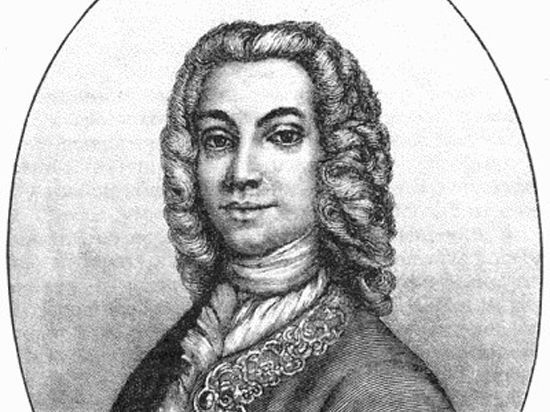
Antiochus Kantemir
(Антиох Кантемир, 1708-1744) Russian Enlightener:
кризис (crise), средоточие (centre of something, heart of something), критик (critic), характер (character, temper), вкус (taste, flavour), понятие (idea, notion), жадность (avidity, greed), деликатность (tact), надменность (arrogance);
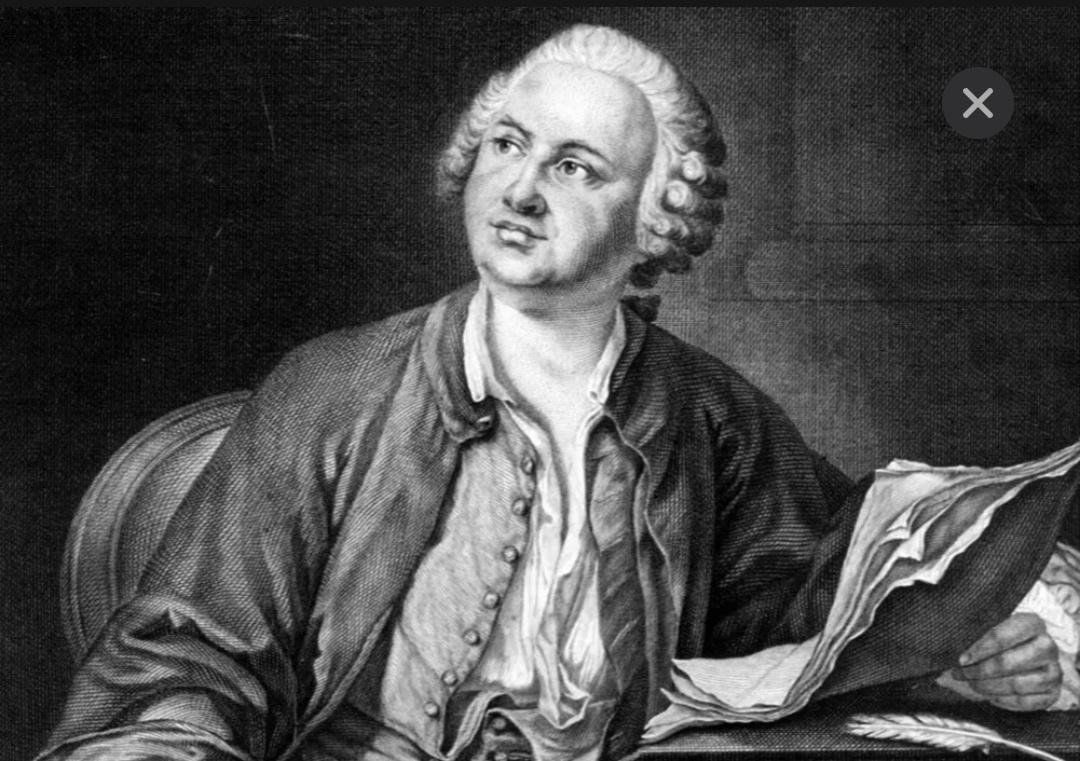
Mikhail Lomonosov
(Михаил Ломоносов, 1711-1765) Russian polymath, scientist and writer, founder of the Moscow State University:
чертёж (drawing, scketch), земная ось (axis of the equator), нелепость (nonsense), тленность (perishability);
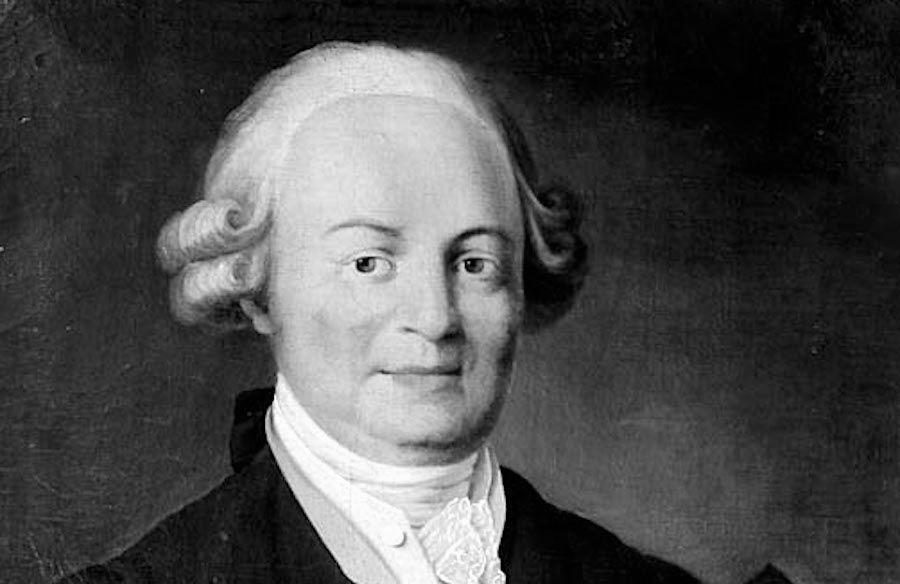
Vassily Trediakovsky
(Василий Тредиаковский, 1703-1769) Russian poet
общество (society), искусство (art), достоверный (trustworthy), вероятный (likely), благодарность (gratitude), почтительность (respect), неосмотрительность (thoughtlessness), дальновидность (foresight).
Елена Коновалова