Нечего vs Ничего: What Is the Difference?
Если тебе нечего сказать, ничего не говори! - If you have nothing to say, don’t say anything!
Both нечего and ничего can be translated as nothing, but they are used in different grammatical structures.
How to Use Нечего
Нечего indicates that something necessary for an action does not exist. It is usually followed by an infinitive:
нечего + infinitive
The person is normally expressed in the dative case:
Мне нечего сказать. — I have nothing to say.
Ему нечего делать. — He has nothing to do.
Нам нечего обсуждать. — We have nothing to discuss.
Здесь нечего смотреть. — There is nothing to see here.
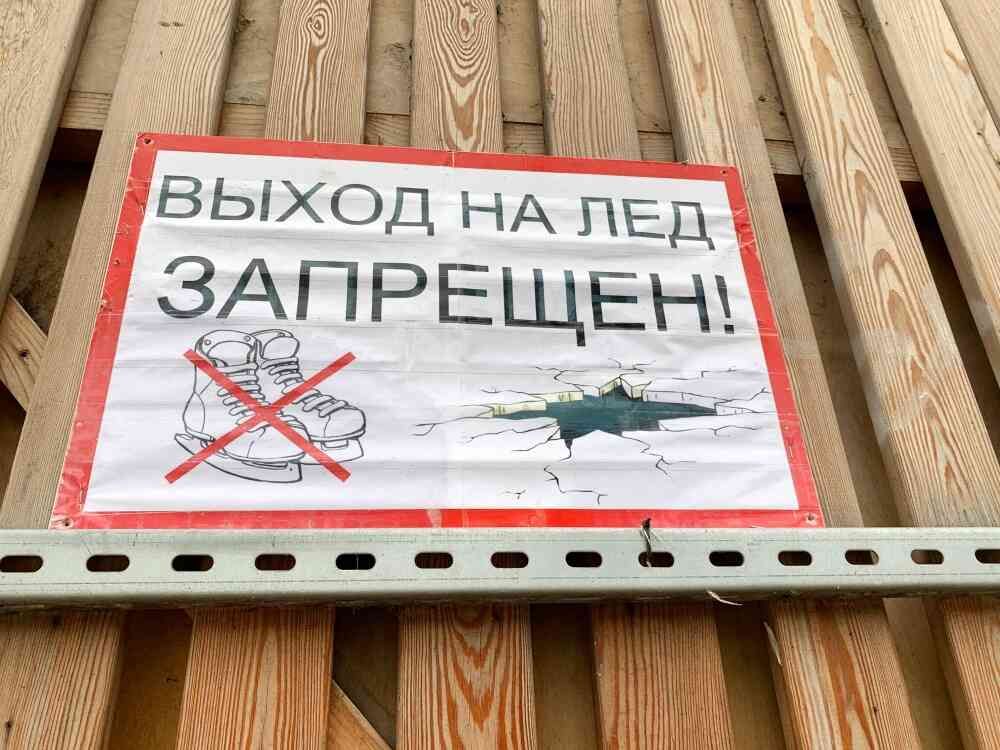
Compare this construction with other impersonal structures in our article on how to express prohibition in Russian, where words such as нельзя are also followed by an infinitive.
How to Use Ничего
Ничего is a form of the negative pronoun ничто. It is usually used with a conjugated verb and the negative particle не:
ничего + не + conjugated verb
Я ничего не понимаю. — I don’t understand anything.
Он ничего не сделал. — He didn’t do anything.
Она ничего не сказала о поездке. — She didn’t say anything.
Мы ничего не купили. — We didn’t buy anything.
Russian normally uses double negation, even though English does not:
Я ничего не знаю. — correct
Я ничего знаю. — incorrect
If Russian negative constructions still feel confusing, they are practised systematically in our intensive group course in Moscow through grammar, speaking and real-life situations.
Нечего or Ничего?
Compare:
| Ему нечего делать. He has nothing to do. | Он ничего не сделал. He didn’t do anything. |
| There is no activity available to him. | There may have been things to do, but he completed none of them. |
The easiest way to remember the difference is:
нечего + infinitive: there is nothing to do, say, read or discuss;
ничего + не + conjugated verb: someone did not do, say, see or understand anything.
Common Expressions
Ничего себе!
A very common expression of surprise:
Ты уже говоришь по-русски на уровне B2? Ничего себе!
You already speak Russian at B2 level? Wow!
To learn more natural conversational vocabulary, read How to Say “It’s Cool!” in Russian.
Нечего сказать!
Depending on the intonation, this can express irony or disapproval:
Он опять опоздал. Нечего сказать, очень ответственный человек!
He is late again. Very responsible, I must say!
Ничего
As a short answer, ничего can mean fine, not bad or it’s okay:
— Как дела? — Ничего, спасибо.
— How are you? — Fine, thank you.
Quick Practice
Choose нечего or ничего:
Мне ________ добавить.
Я ________ не слышу.
Нам ________ обсуждать.
Он ________ не написал.
Answers: нечего; ничего; нечего; ничего.
Short grammar explanations are useful, but constructions like these become natural through regular use. Ruslanguage students practise them in context in our Russian language programmes in Moscow, with a course format and schedule selected according to their level and learning goals.