Many Russian idioms grew out of church life. «Одним миром мазаны» (tarred with the same brush) and «Чтоб тебе ни дна, ни покрышки» (bad luck to you!) both come from Christian rituals. Let us see what they mean and where they came from.
«Одним миром мазаны» — tarred with the same brush
«Одним миром мазаны» is used to compare two people who have the same bad qualities, so the expression has a negative connotation. The word «миро» (chrism) means an aromatic oil used in church for special rituals. This ritual dates back to ancient pre-Christian times: our ancestors believed that oil rubbed into the human body repels evil spirits.
Christianity adopted this ritual but gave it a new meaning. Both in the Catholic and the Orthodox Church the service ends with «миропомазание» (the anointing), when the priest smears the believer's forehead, eyes, ears and other parts of the body with aromatic oil. It is believed that this person receives divine grace.
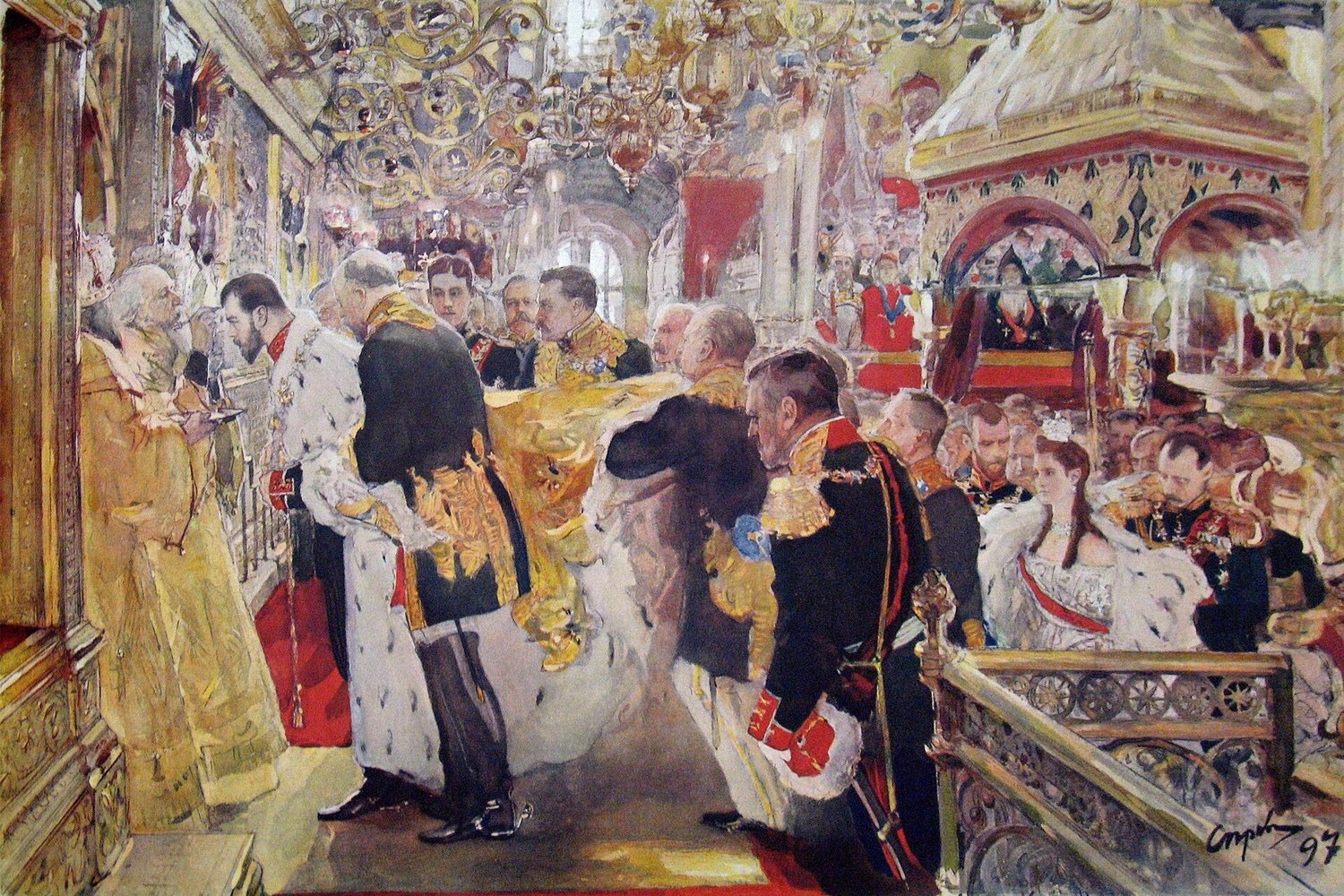
This ceremony was very important when a tsar ascended the throne, when a novice took Holy Orders, and at weddings. The Russian tsars were called «миропомазанниками» (the anointed ones) — it meant that they received power with the approval of God.
If people are «tarred with the same brush», they belong to the same church, so their thoughts and actions may be similar. It seems the expression had no negative connotation at the time, but today it is impossible to know why and when it began to describe people's bad qualities.
You can also hear «одного поля ягодки» (berries from the same field), and the expression known all over the world — «яблочко от яблоньки недалеко падает» (the apple does not fall far from the apple tree), used for negative similarities between children and parents.
«Чтоб тебе ни дна, ни покрышки» — bad luck to you!
The expression «Чтоб тебе ни дна, ни покрышки» can be heard from someone who is angry at another person: it means wishing them all the misfortune in the world. «Дно» means the bottom, and «покрышка» means the cover, the lid.
This expression is also connected with Christian traditions. Burial rites are among the most important rites in Christianity: they mark the end of a person's earthly life, a kind of final assessment. For every Christian it matters greatly how they will be treated after death and how they will be buried; many older people even save money specifically for their funeral.
By tradition, Christians should be buried in a coffin — with a bottom and a lid. If there is no lid and no bottom, there is no coffin, which means the dead person was not respected. Nowadays few people know the exact meaning of this expression, but everyone understands its negative connotation. You may also hear the similar «Чтоб ты провалился!» (drop dead!).
More Russian idioms: «Крепкий орешек», «Дело в шляпе» and «Морочить голову». To learn Russian with us, have a look at the five levels of Russian, join our Russian courses in Moscow or sign up for private Russian lessons online — and keep reading our blog.
Image: Valentin Serov, The Coronation of Nicholas II (1896), Wikimedia Commons, public domain