Делать что-либо на авось and надеяться на авось mean to do something on the off chance, that is, to rely on luck and hope for the best. This is one of the most typical expressions of Russian mentality and a favourite subject of Russian proverbs.
What does «на авось» mean?
Foreigners often say that Russians can start a business, or anything else, without a detailed plan, relying mostly on fate. Our article Russian Language and Mentality and the story Porridge from an axe and Russian Mentality look at similar features of the Russian character. The word авось itself is a Russian particle that is almost impossible to translate in one word: maybe, perhaps it will work out.
Where does the Russian faith in luck come from?
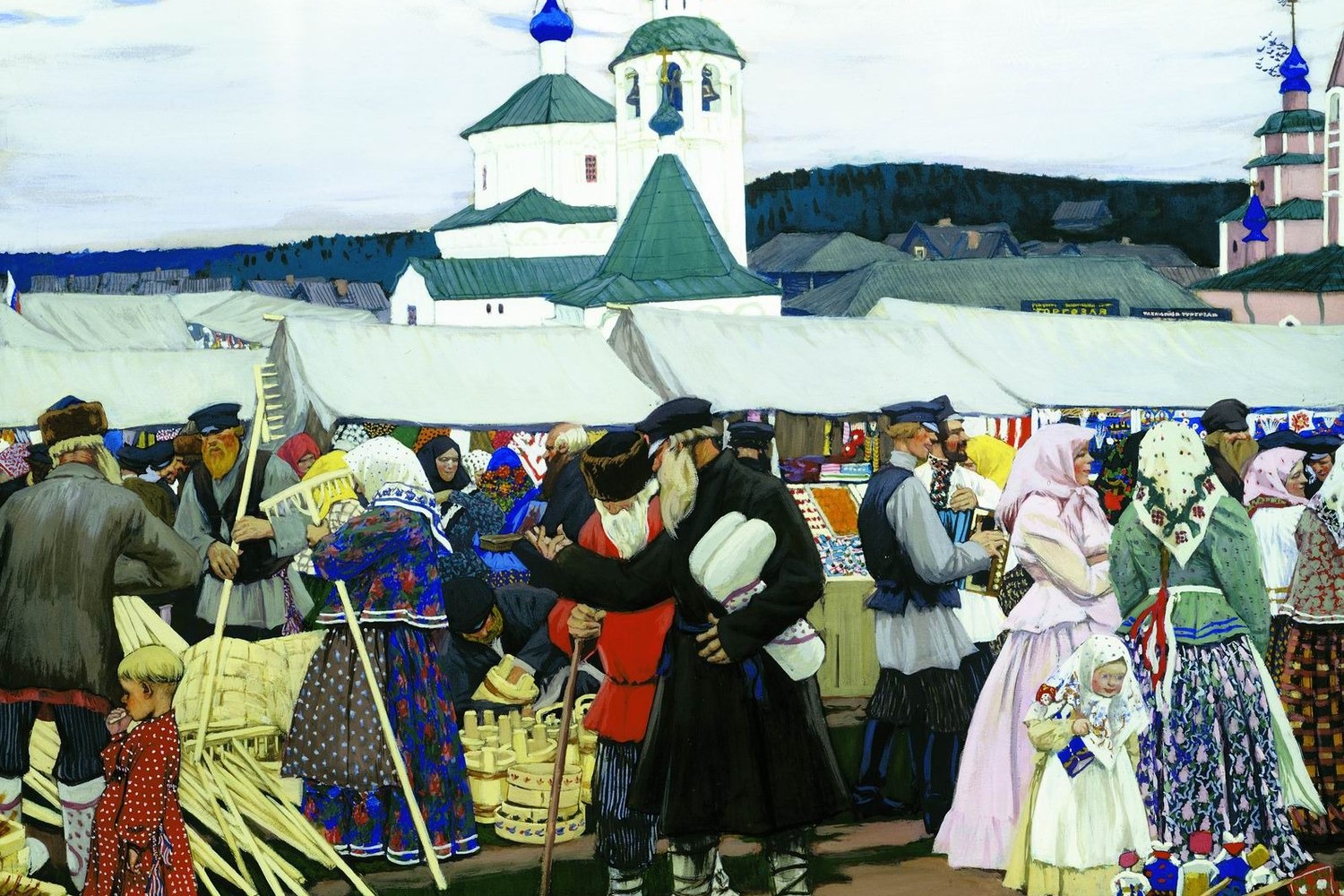
This is partly true. Some psychologists believe that this feature of many Russians has deep historical roots and is connected with the natural conditions around our ancestors, and with their weakness in front of these conditions. In most parts of the country the climate is extremely unstable: long rains and a sudden drop of temperature in summer can be replaced by heat and drought, so the harvest depended more on the weather than on the farmer’s work. People even had a saying about it: «На авось мужик и хлеб сеет» (a peasant sows his grain relying on luck). More folk wisdom about the weather is in our article Weather and proverbs.
«Авось пойдёт, авось пройдёт»
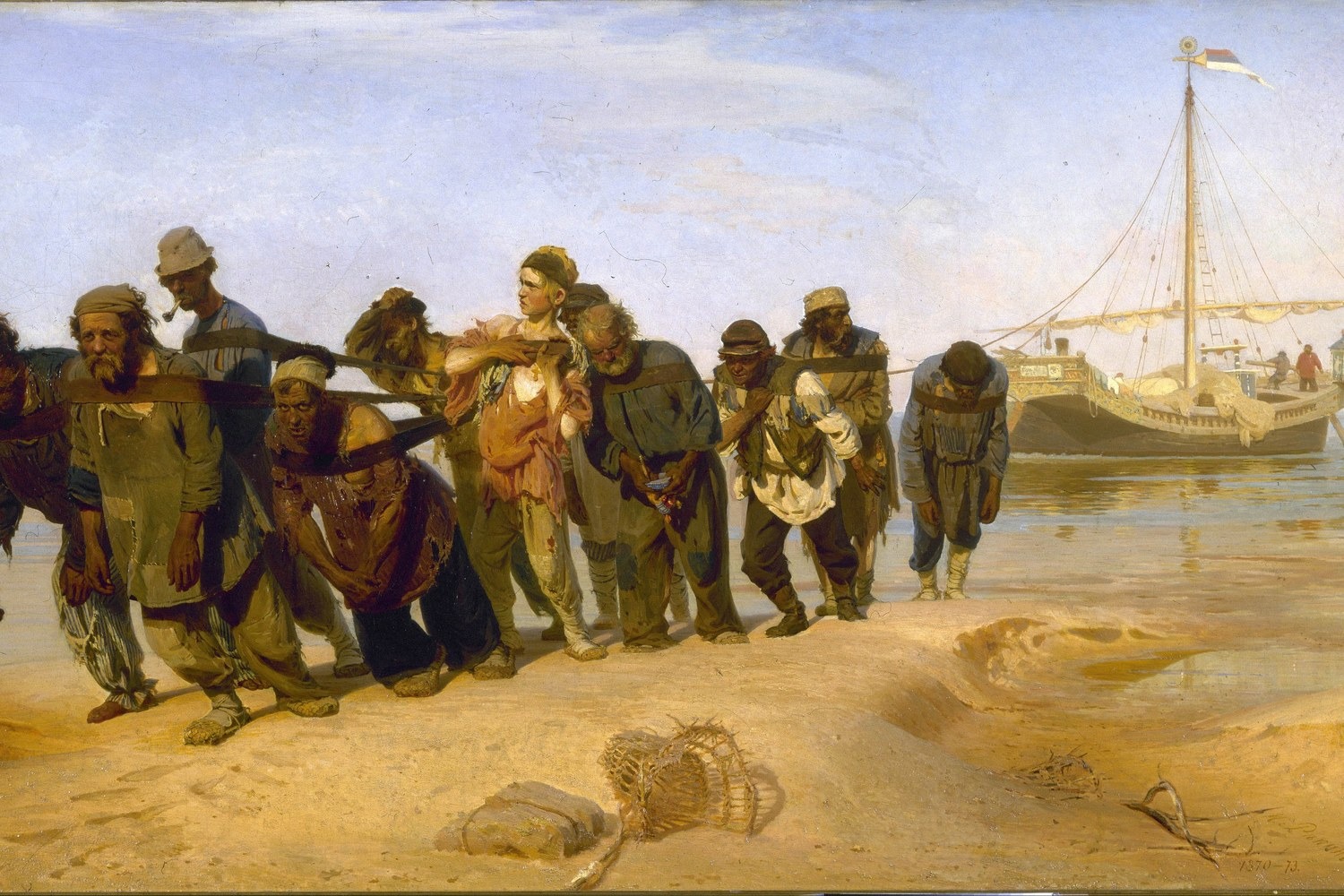
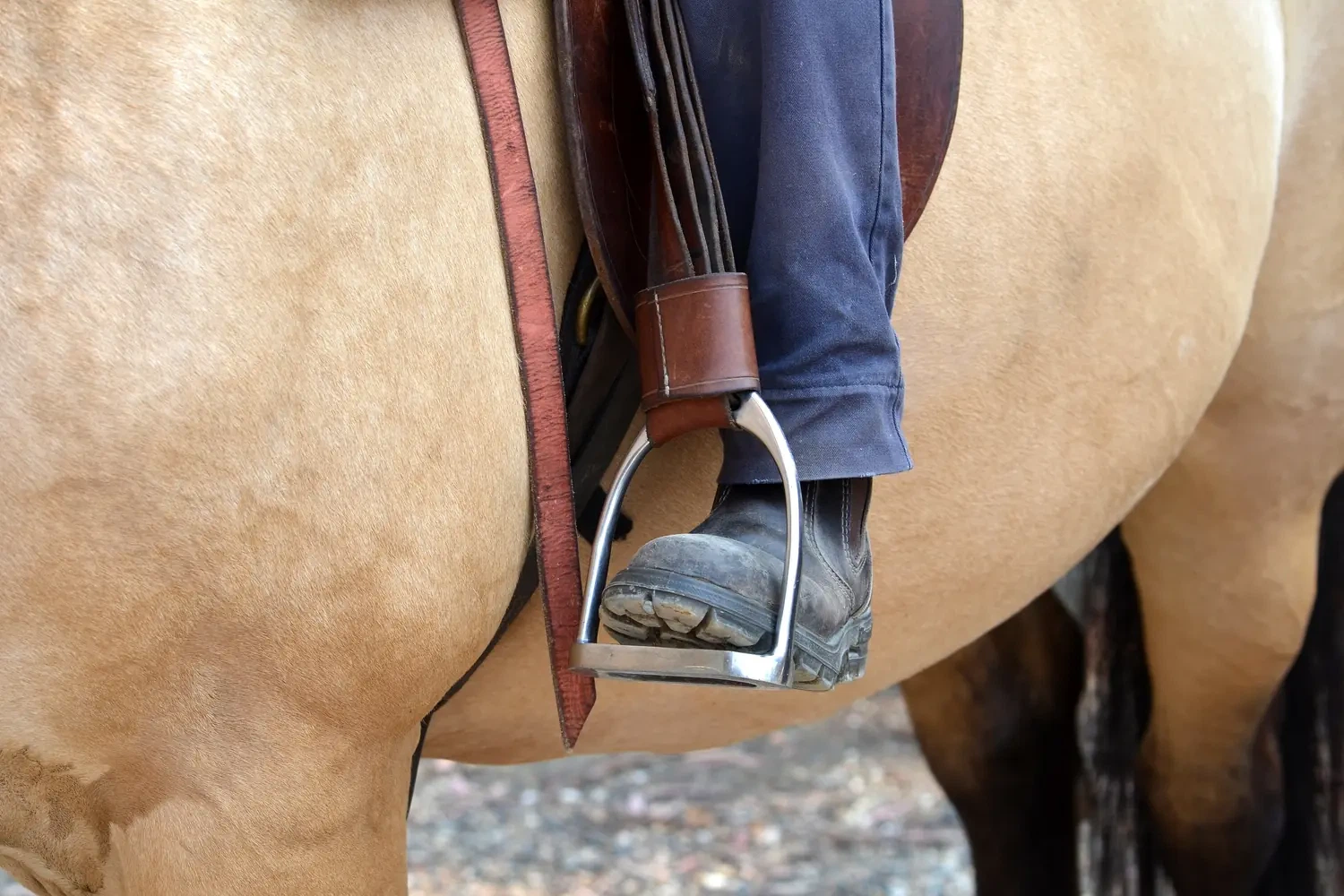
Russia is covered with vast forests and bogs, so when people took to the road they could never be sure that the journey would end well and that the horse would get through. That is how the expressions «авось пойдёт, авось пройдёт, авось получится» appeared: to start a journey relying on chance, to hope for the best on the way, to succeed by luck. For travelling words, see also The Last One for the Road: «Стременная» and Travelling by train. In modern Russian these phrases are used not only about a trip, but about anything at all.
Gogol and the «авоська»
You can meet many examples in Russian literature. In «Ревизоре» (The Government Inspector) Nikolai Gogol wrote: «Не знаешь, с какой стороны и приняться. Ну да уж попробовать. Что будет, то будет, попробовать на авось.» (One doesn’t know where to begin. But I will try. Come what may, I will try, hit or miss.)
The older generation still remembers the авоська, a string bag that could be slipped into a pocket. It appeared in the first decades of Soviet power, when food was scarce. Leaving home for any reason, people took this bag with them, hoping that on the way they might come across a shop that was selling something. The name says it all: maybe I will find something.
Where does the word come from?
The origin of «на авось» is not clear. Some specialists suppose that it is a shortened form of the phrase «а вот сейчас» (and now, right now), which gave «а во се» if you take only the first letters of each word, and meant «а вот сейчас вдруг случится то, на что надеялись» (and now suddenly what we have been hoping for will happen). This is only one of the hypotheses.
The other side of «авось»
As society developed, people depended less on external conditions, and new expressions appeared in Russian in which you can feel a condemnation of blind faith in luck. For example: «Кто авосьничает, тот и постничает» (who relies on luck will starve). You can read many more Russian proverbs in Guess the End of These Russian Proverbs and Russian Proverbs, Solutions to Our Game.
Today you can read such sentences in newspapers: «В науке ничего не может быть на авось. Всё должно быть строго просчитано и проверено.» (In science nothing can be left to chance. Everything must be carefully calculated and checked.)
Words to remember
авось - maybe, on the off chance; авоська - string bag; на авось - at random, hoping for luck. Other colourful idioms are explained in Russian Idioms: Дело в Шляпе and Russian Idioms: Морочить Голову. Notice how «авось пойдёт» uses the future: you can practise it in our lesson on the future tense of verbs. To learn Russian idioms and check your level, see the five levels of Russian page, join our Russian language courses in Moscow or book private Russian lessons online, and read more in our blog.