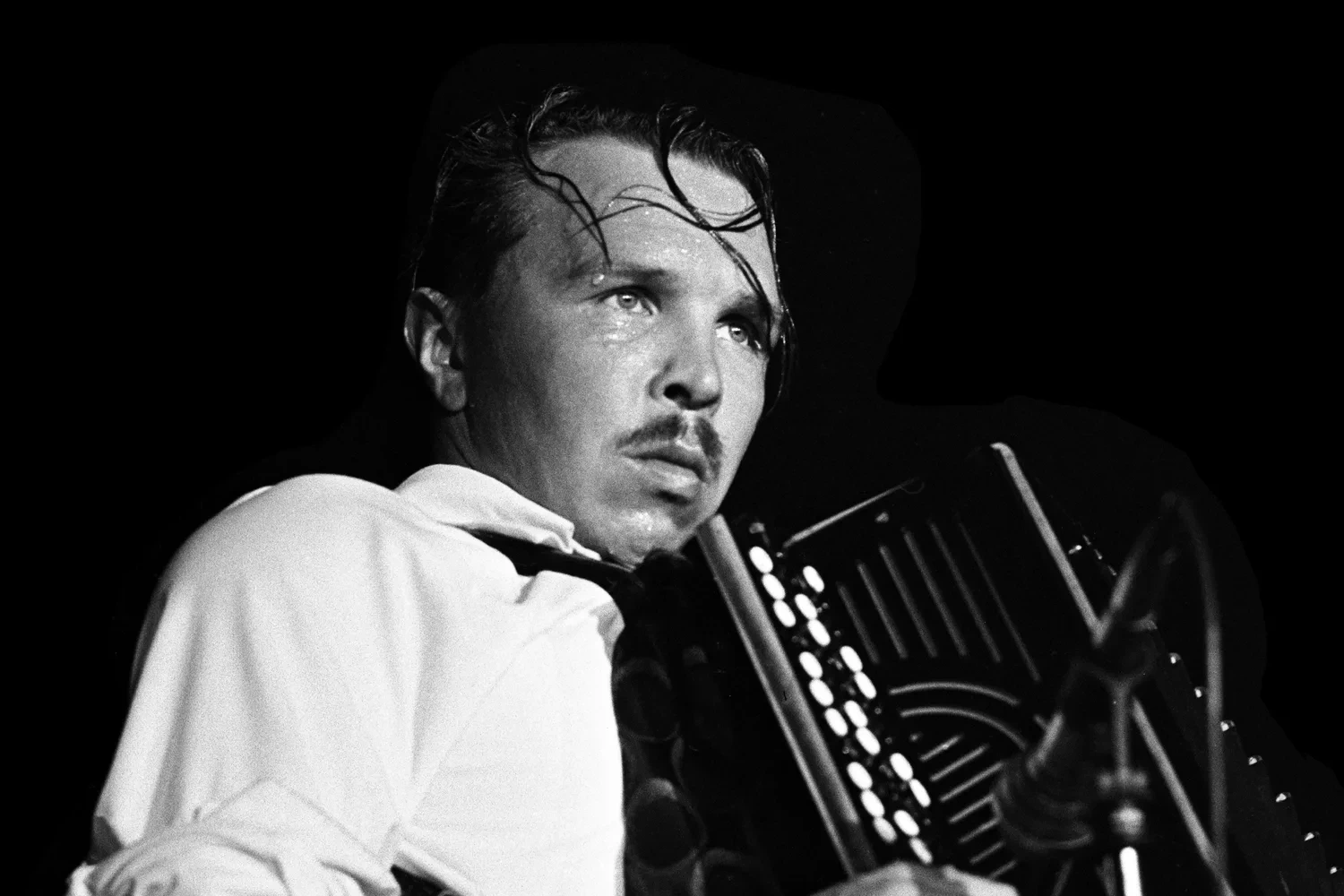
Гарик Сукачёв (Garik Sukachev) is one of the most recognisable frontmen of Russian rock: the leader of the bands «Бригада С» (Brigade S) and later «Неприкасаемые» (The Untouchables), the author of many solo projects, a film director and a writer. His songs mix rock, street ballads and Russian folk intonations, which makes them a lively way to hear real spoken Russian.
Who is Garik Sukachev?
Igor “Garik” Sukachev was born on 1 December 1959 in Myakinino, then a small village just outside Moscow. Fame came in January 1986, at the first Moscow underground rock festival, «Рок-ёлка» (Rock Christmas Tree), where Brigade S became one of the discoveries of the new Moscow rock scene.
It was the time of perestroika, when underground musicians could finally play to large audiences. Another star of that scene was Pyotr Mamonov, who went from punk rock to Orthodoxy.
The leader of the suburbs
Sukachev has several nicknames. One is «лидер окраин» - the leader of the suburbs, because his songs speak for ordinary people from the outskirts of big cities. Another is the Russian Tom Waits, for his rough voice and theatrical stage manner.
Garik Sukachev in his own words
These quotes from different interviews give an idea of what kind of person Garik Sukachev is. Try reading the Russian first, then check the English translation.
«Я ни в коем случае не считаю себя рок-н-ролльщиком. Я, конечно, музыкант, от этого никуда не денешься, я здорово в этом разбираюсь, так как занимаюсь этим всю жизнь. Рок-н-ролл - это удобное клише, но я мыслю другими критериями - талантливо, самобытно, интересно.»
“I don’t consider myself a rock’n’roller at all. Of course I am a musician, there is no getting away from that, and I know music well because I have done it all my life. Rock’n’roll is a convenient cliché, but I think in other terms: talented, original, interesting.”
«У русского рока есть национальные черты - как в поэтических текстах, так и в музыке, которая, хотим мы этого или нет, связана с музыкальными народными традициями.»
“Russian rock has national features, both in its poetry and in its music, which, whether we like it or not, is connected with folk music traditions.”
«Я познакомился со своей женой, когда ей было 15, а мне почти 17. Вообще жизнь - забавная штука. Я ничего не предполагал! Вообще я абсолютный фаталист.»
“I met my wife when she was 15 and I was almost 17. Life is a funny thing. I didn’t plan anything! In general, I’m an absolute fatalist.”
«Мы были весёлыми нищими голодранцами... и любили друг друга. Сейчас мы такие же весёлые, но уже не нищие и не голодранцы.»
“We were cheerful, penniless ragamuffins... and we loved each other. Now we are just as cheerful, but no longer penniless ragamuffins.”
«В песне есть своя вселенная. Но главное: любой художник предлагает публике самого себя.»
“A song has its own universe. But the main thing is that every artist offers the audience himself.”
«Люди любят совершенно разные вещи. Есть профессора, которые любят блатняк. А есть шофёры такси, которые могут тебе поставить Стравинского.»
“People love completely different things. There are professors who love blatnyak, and there are taxi drivers who will put on Stravinsky for you.”
What is blatnyak?
Блатная песня, or simply блатняк, is close to what is known as Russian chanson. These songs are sometimes called “criminal songs”, because they tell about the hard life and customs of the criminal world. Sukachev’s remark shows how the same music can be loved by very different people.
Learn Russian with Russian rock
Songs are one of the best ways to learn Russian: you hear natural intonation, slang and the rhythm of everyday speech. If you enjoy this approach, try our article Learn Russian with Songs: DDT, or learn how young people talk in How to Say “Cool!” in Russian.
To practise speaking with a teacher, have a look at Ruslanguage’s Russian language courses in Moscow or private Russian lessons online. More stories about Russian culture are waiting in our blog.
Text: Елена Коновалова
Photo: Leo Medvedev, 1988, Wikimedia Commons, CC BY-SA 4.0