Travel has a long tradition in Russia. In Soviet times, hiking trips and excursions were also a way to educate young people: a поход (hike) with a backpack, a tent and songs around the campfire was part of many childhoods. One poem captures this spirit perfectly: «Весёлый турист» (The Cheerful Tourist) by Sergey Mikhalkov.
Travelling, the Soviet way
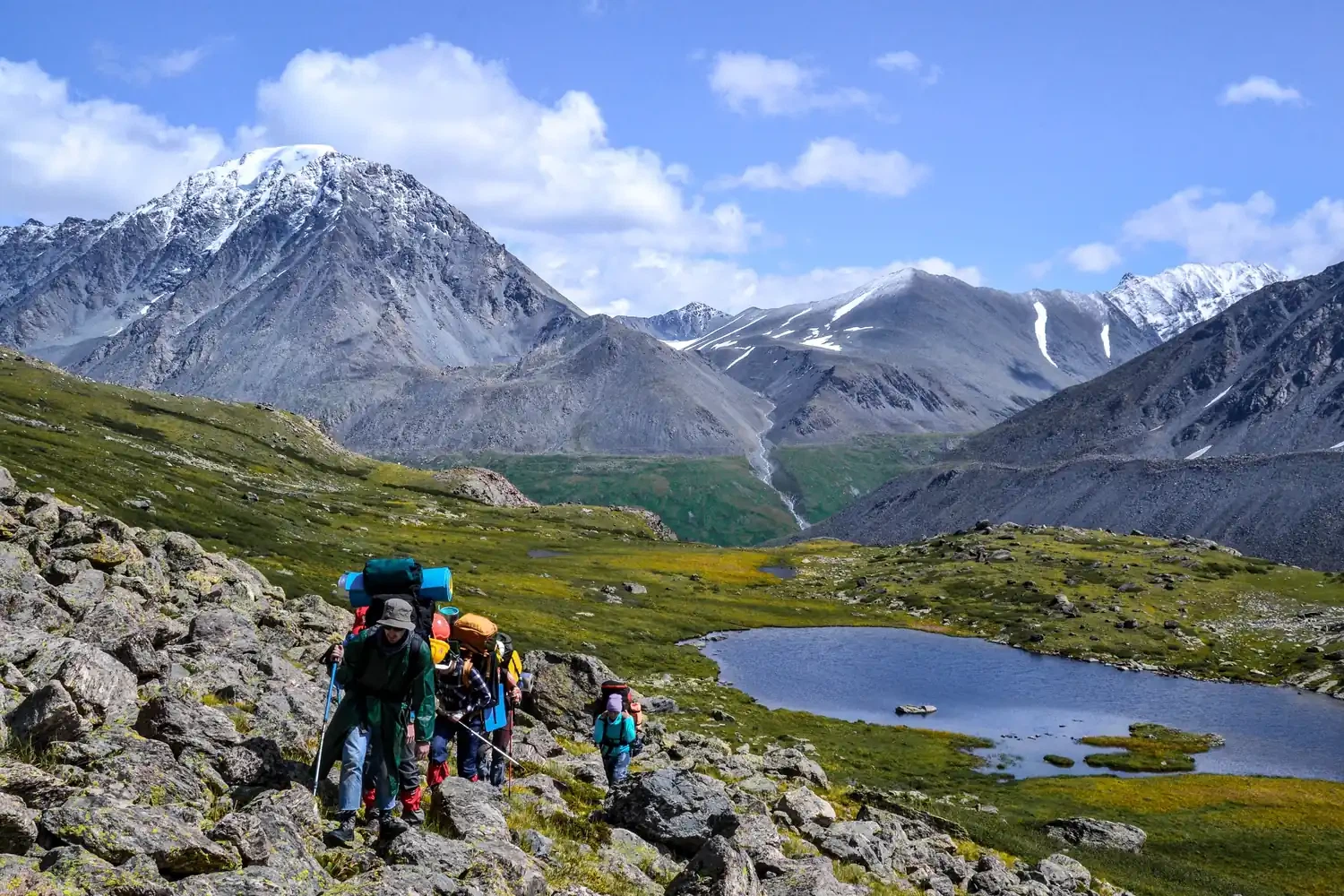
A турист in Russian is not only a holiday-maker on a beach. The word is also used for hikers who walk for days through forests and mountains. Even today, places like the Altai mountains, Lake Baikal and Kamchatka attract thousands of hikers every summer.
Who was Sergey Mikhalkov?
Сергей Михалков (1913-2009) was one of the most famous Russian children’s writers. Generations of Russian children grew up with his poems, such as the stories about Uncle Styopa, the kind giant policeman. He also wrote the words of the Soviet national anthem and, later, of the anthem of the Russian Federation.
His poems are short, rhythmic and full of everyday words, which makes them ideal reading for anyone who is learning Russian.
The poem “Весёлый турист”
Here are the first stanzas of the poem with an English translation. Read the Russian first, then check yourself with the translation.
Крутыми тропинками в горы,
Вдоль быстрых и медленных рек,
Минуя большие озёра,
Весёлый шагал человек.
Up steep mountain paths,
Along fast and slow rivers,
Past great lakes,
A cheerful man was walking.
Четырнадцать лет ему было,
И нёс он дорожный мешок,
А в нём полотенце и мыло
Да белый зубной порошок.
He was fourteen years old,
And he carried a travelling bag,
With a towel and soap inside
And white tooth powder.
Он встретить в пути не боялся
Ни змей, ни быков, ни собак,
А если встречал, то смеялся
И сам приговаривал так:
He was not afraid to meet
Snakes, bulls or dogs on his way,
And if he met them, he laughed
And kept saying to himself:
- Я вышел из комнаты тесной,
И весело дышится мне,
Всё видеть, всё знать интересно,
И вот я хожу по стране.
“I have left my cramped room,
And it is a joy to breathe,
I want to see and know everything,
And so I walk across the country.”
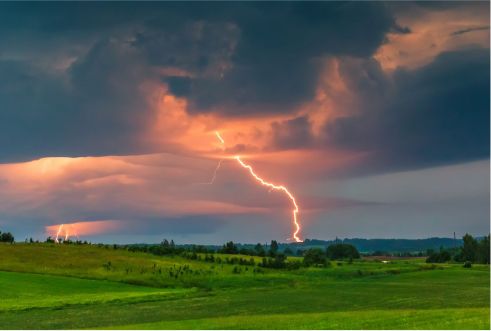
The boy walks on with no gun and no stick. Even quarrelsome bulls moo at him in a friendly way, chained dogs wag their tails, and wolves and bears only growl from afar. A cloud is his roof and thunder is his alarm clock, and he writes everything he sees in his notebook. He sings as he walks, people open their windows, sing along and finally leave their homes to follow him. In the last stanza the narrator hears the song, recognises his friend’s voice and runs outside without a hat to catch up with it.
Words to learn from the poem
The poem is a small lesson in Russian verbs of motion: шагал (was striding), шёл (was walking), хожу по стране (I walk around the country). You will also find useful nature words: тропинка (path), река (river), озеро (lake), ледники (glaciers), туча (dark cloud), гром (thunder).
Notice the old-fashioned зубной порошок - tooth powder. Before toothpaste in tubes became common, Soviet children cleaned their teeth with powder from a small round box.
Keep reading Russian poetry
If you like learning Russian through poetry, try Krylov’s fables or learning Russian with songs. And if you want to read poems like this one without a translation, our teachers can help: Ruslanguage offers Russian language courses in Moscow and private Russian lessons online.
Photo: Arseniy333, hikers in the mountains of the Altai, Wikimedia Commons, CC BY 4.0