The Russian idiom «семь пятниц на неделе» — literally «seven Fridays in a week» — describes a person who keeps changing their mind and cannot stick to a decision. But why Fridays, and why seven of them?
What it means
Saying that someone has «семь пятниц на неделе» means that the person is unstable in their opinions or plans and changes them several times. The idiom carries a slightly disapproving tone: such a person can hardly be relied upon.
Why Friday?
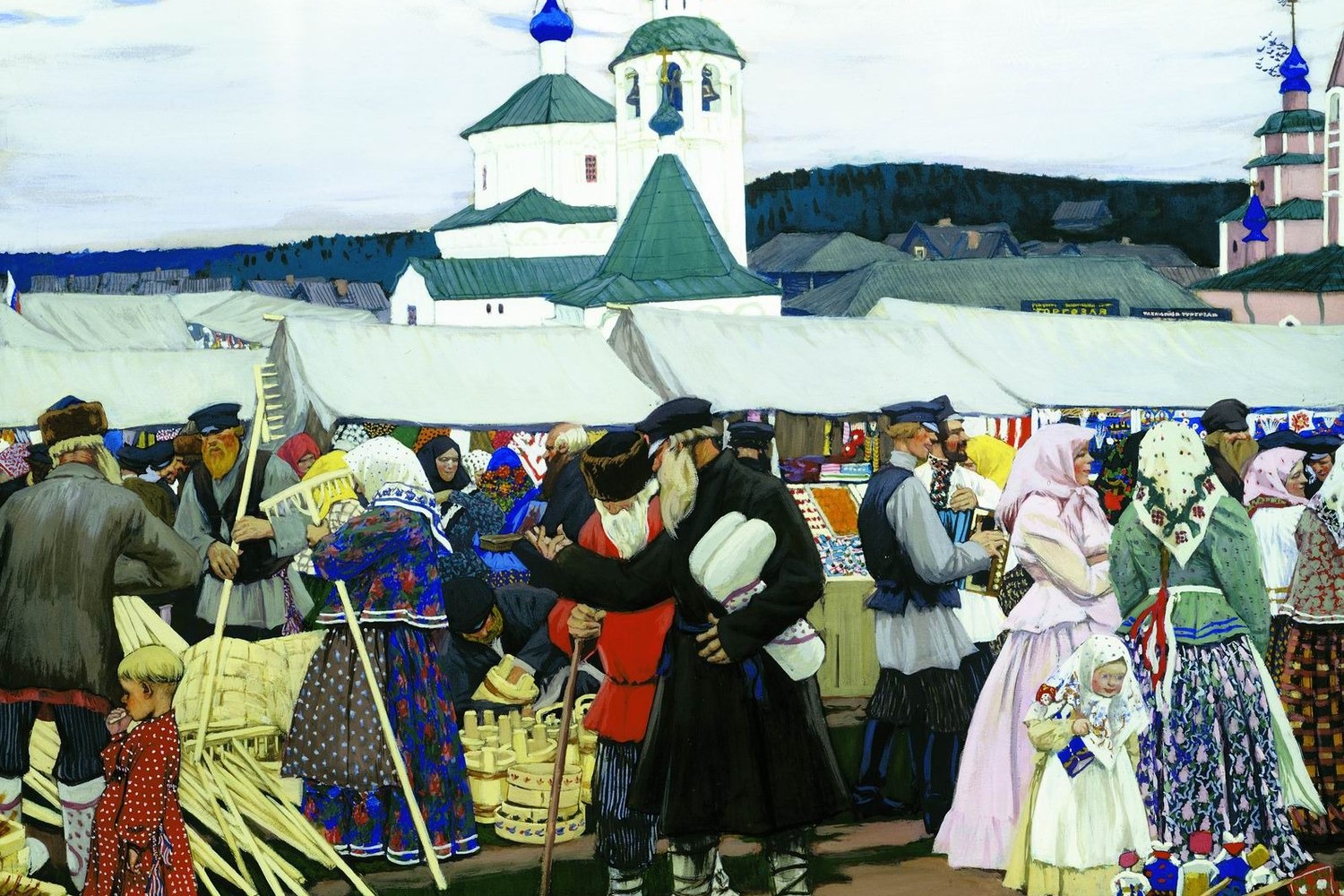
In old Russia, Friday was always a very busy day — it was the market day, «базарным днём». Friday was the day on which trade obligations had to be fulfilled. Merchants would take orders and receive deposits, bring the goods that had been promised the week before and get paid for their work. Clients, in turn, would come to the market to collect their goods and pay for the work done.
If a merchant or a client broke the deal and did not turn up, people would say that he had «seven Fridays in the week». Later the idiom came to be applied to anyone who often changes their mind and cannot keep a promise.
Examples
— Ну что, решили, куда ехать в отпуск? — Да нет ещё: у Аньки же, ты знаешь, семь пятниц на неделе. То требовала Таиланд, сейчас вот непременно в Чили хочет.
(— Well, have you decided where to go on holiday? — Not yet — you know Anka, she has seven Fridays in a week. She kept demanding Thailand, and now she insists on Chile.)
— Может, уже определишься, чего ты точно хочешь? А то тебя не понять: у тебя семь пятниц на неделе.
(— Could you finally make up your mind about what you actually want? You are impossible to understand: you have seven Fridays in a week.)
More Russian idioms: «Russian Idioms: Hard Nut to Crack» and «Russian Idioms Linked with Religious Traditions». To learn Russian with us, have a look at the five levels of Russian, join our Russian courses in Moscow or sign up for private Russian lessons online — and keep reading our blog.
Image: Boris Kustodiev, The Fair (1906), Wikimedia Commons, public domain