Izbing: A Very Russian Kind of Weekend
You have probably heard of glamping, but have you heard of izbing? It is one of those words that sounds as though somebody invented it for social media. In a way, they did.
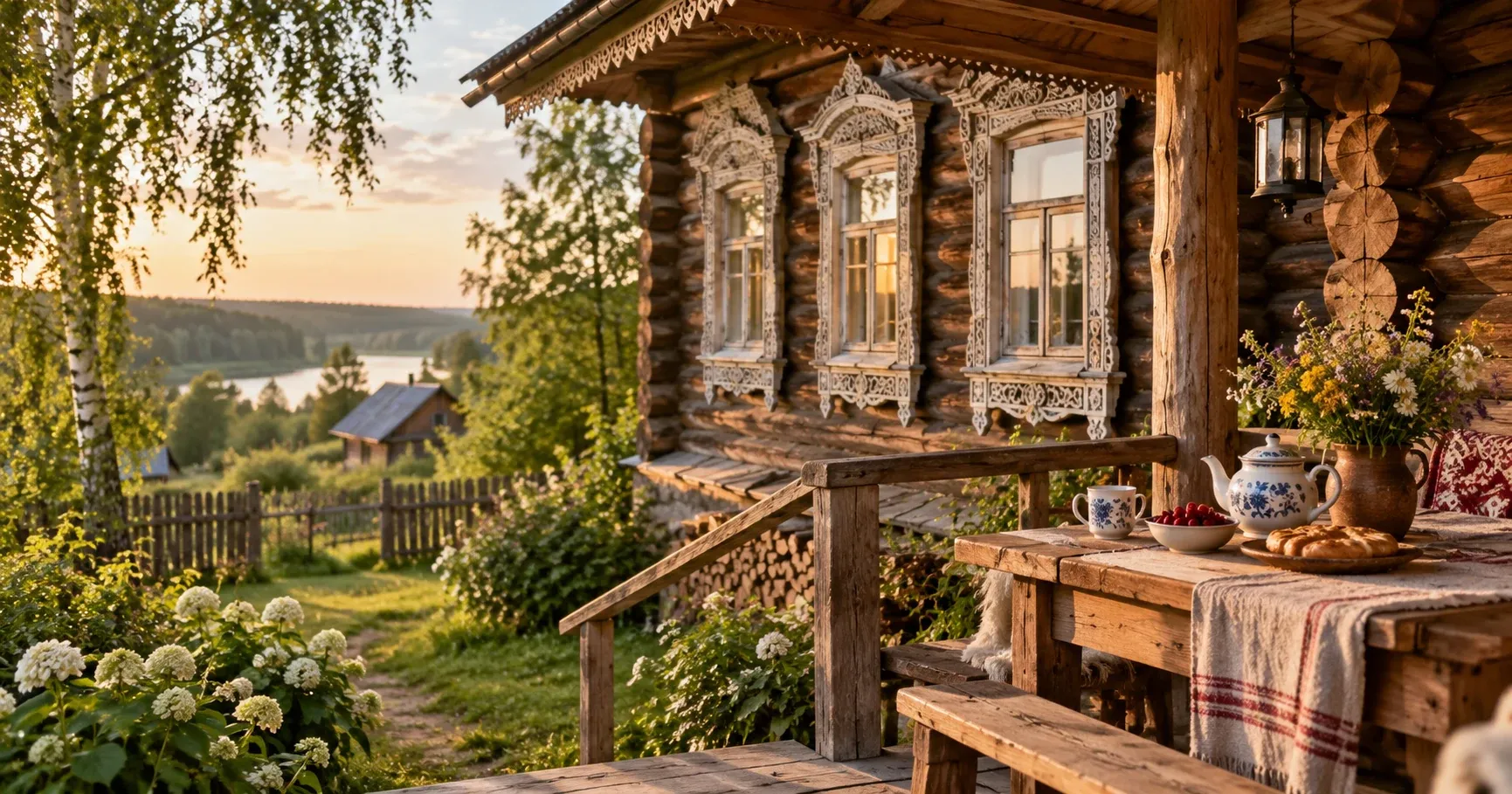
Izbing means leaving the city for a few days and staying in an изба - a traditional Russian wooden house. Think log walls, a stove, carved window frames, a forest nearby. These days there may also be Wi-Fi, a good bathroom and freshly ground coffee.
The idea is not to recreate peasant life but to borrow its setting. And apparently, quite a few people would like to.
From village house to weekend escape
For centuries, the изба was simply a house. Usually built from logs, it centred around the русская печь - the large Russian stove used for cooking and heating. In some houses, people even slept on top of it during cold winters.
Another detail you will notice is the наличники: decorative wooden frames around the windows. Some are simple. Others are so elaborate that the façade looks almost embroidered.
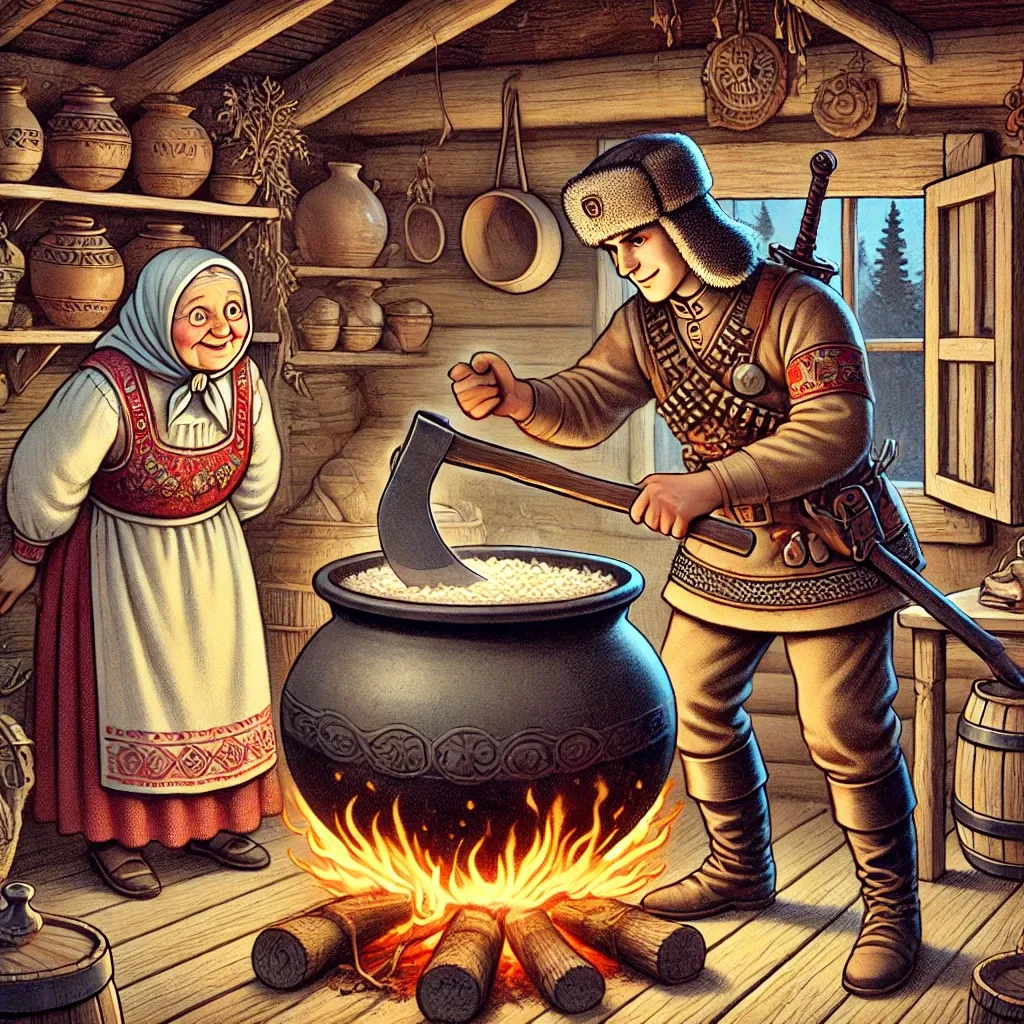
If you know Russian fairy tales, you may already recognise the related word избушка - a small изба. Baba Yaga, famously, lives in an избушка на курьих ножках, a little izba on chicken legs.
Modern izbing is generally less dramatic. The houses are often restored rather than reconstructed from scratch. Some keep old furniture, wooden floors and traditional stoves; others combine historic exteriors with very modern interiors.
The word may be the best part
Избинг is also a lovely example of what modern Russian does with English. Russian has borrowed plenty of familiar -ing words:
маркетинг - marketing
шопинг - shopping
кемпинг - camping
дайвинг - diving
But then something interesting happened: -инг became familiar enough to attach itself to Russian words too. So изба became избинг.
If you like this kind of living Russian, our article on тусовка and how Russians actually use the word looks at another expression that makes much more sense in context than in a vocabulary list.
Is it just a fashionable dacha?
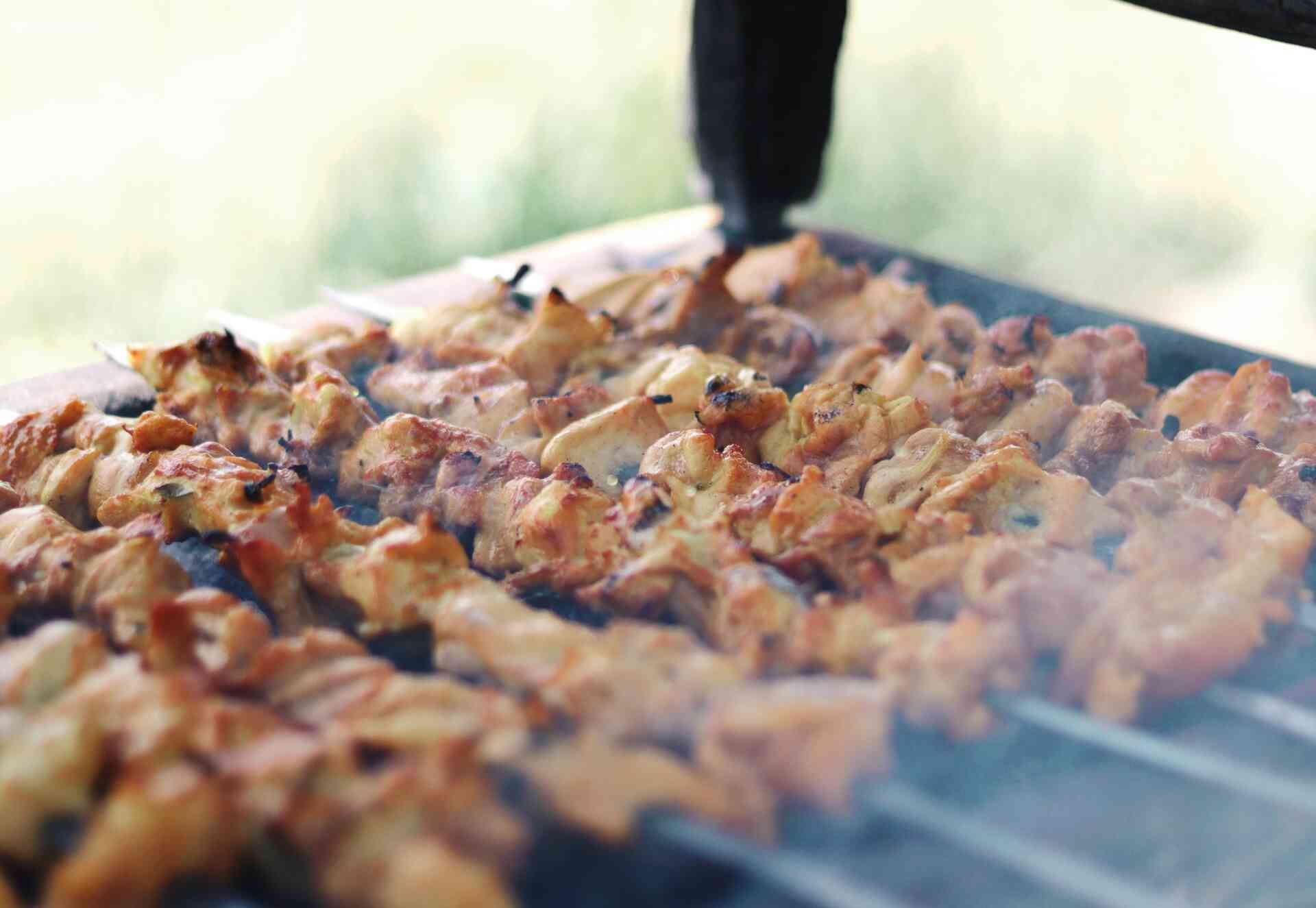
Not quite. A дача is usually a country house that belongs to you, your relatives or your friends. It comes with its own rituals: long summer evenings, gardening, шашлык, tea outside and, very often, more household work than anyone initially planned.
Izbing is closer to checking into village life for a weekend.
Both offer an escape from the city without necessarily going very far. And both are connected to something deeply familiar in Russian culture: the idea that leaving Moscow for a small house surrounded by trees can count as a perfectly good holiday.
We wrote more about this tradition in our guide to summer at the Russian dacha.
And if your countryside weekend ends with a table full of food and someone insisting you take another helping, Russian hospitality has its own set of unwritten rules too.
Why izbing is interesting even if you never try it
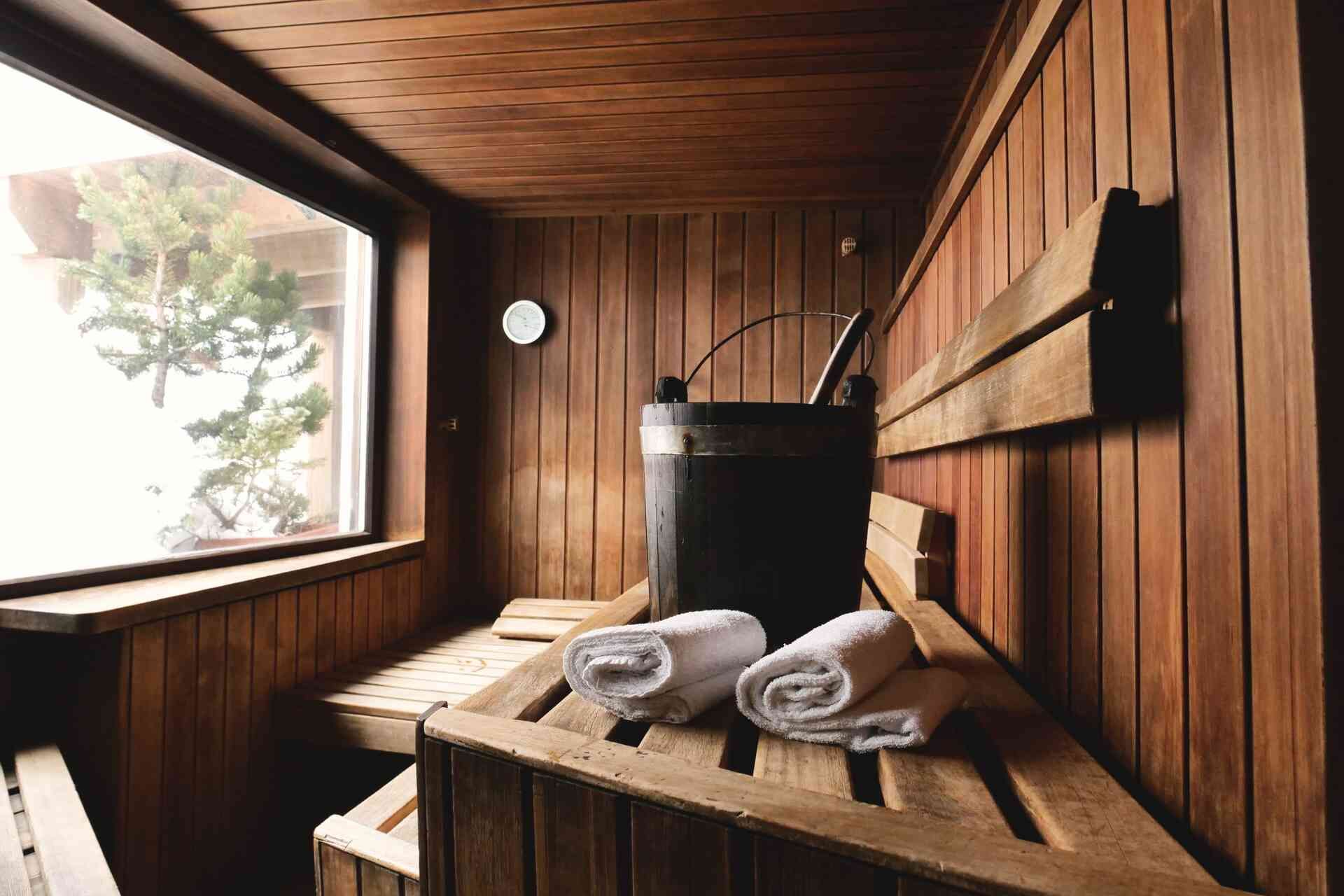
You do not actually need to book an izba to remember the word. That is the useful thing about cultural vocabulary: it comes with a picture. Now изба is not just another noun to memorise. It has log walls, carved windows and a печь inside. Баня belongs somewhere nearby. Дрова are the firewood you suddenly need if you want that stove to stay warm.
And избинг shows something else too: Russian is not a museum language. Old words survive. New habits appear. English sneaks in. Russian reshapes it. Sometimes the result is a word for spending your weekend in a wooden house. Which, admittedly, is a rather good word to have.
If you enjoy learning Russian through the things people actually say, eat, celebrate and argue about, explore our Russian language and culture blog.
And if you are in Moscow, you can also learn this kind of Russian beyond the textbook in our Russian language courses in Moscow.